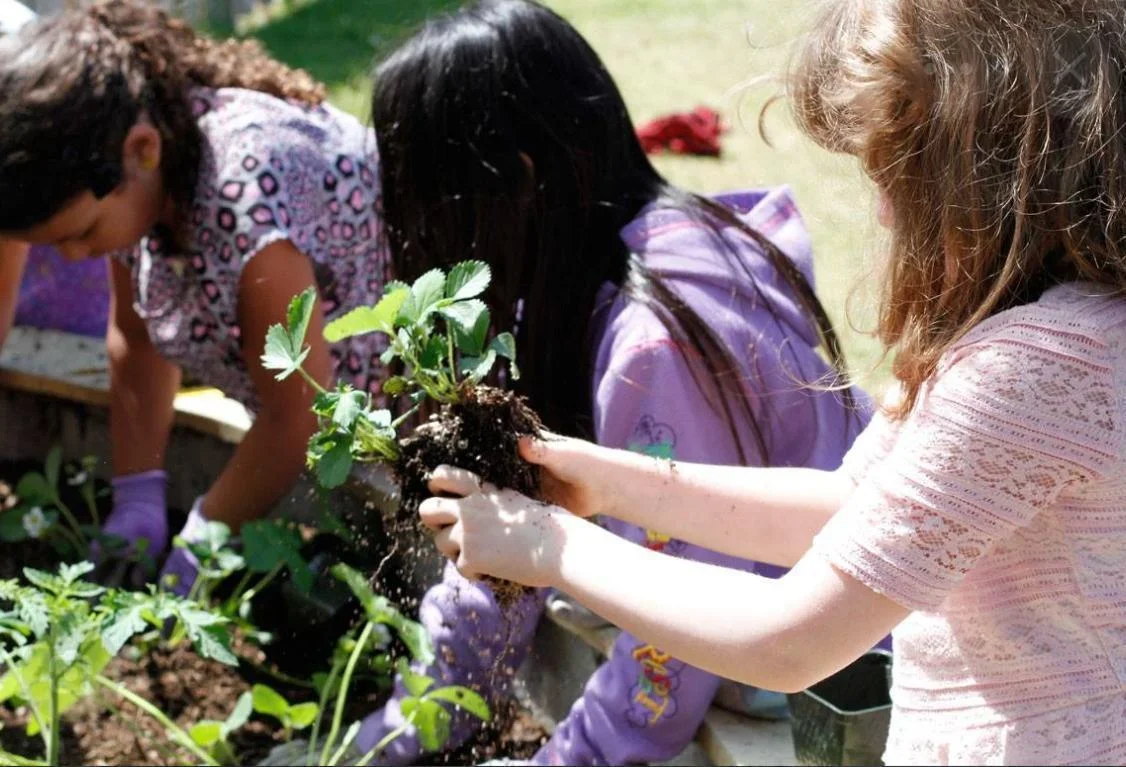
Children planting strawberry seedlings in soil

Illustrative image. Not Ever-Well participants or facilities.

Our approach to learning

Inclusive, personalized, multisensory, experiential, and community-connected.

Our model integrates education, sensory supports, communication development, nature and agriculture, supervised equine experiences, arts, technology, family engagement, life skills, and workforce preparation.
A connected approach to learning

Inclusive

Designed for children and youth requiring inclusive or specialized educational support.

Personalized

Learning plans and small-group experiences aligned to learner strengths and needs.

Multisensory

Multisensory environments and sensory-regulation activities.

Experiential

Hands-on science, outdoor learning, maker activities, and learning through real-world experiences.

Community-connected

Family engagement, community participation, and transition-to-work experiences.

Inclusive and personalized education

Instruction is designed to be personalized, multisensory, and hands-on, aligned to each learner’s strengths and needs.

Program model, planned

Individualized academic support

Literacy and dyslexia-informed approaches

Differentiated instruction

Learning plans

Small-group experiences aligned to learner strengths and needs

Sensory and communication supports

Program model, planned

How these supports extend to families and caregivers is described on Neurodiverse & Family Support.

Multisensory environments

Sensory-regulation activities

Communication development

Structured routines

Adaptive learning supports

Family-informed participation

Learning by doing

Learning is designed around activity, authentic tasks, and real-world experiences, supported by visual structure and small, clear steps.

Visual supports

Pictures, labels, and diagrams that make each activity easier to follow.

Small, clear steps

Tasks broken down so that the next action is always clear.

Multisensory lessons

Reading, writing, and math connected to hands-on activity.

Authentic tasks

Real-world tasks that make abstract skills concrete and meaningful.

Program model, planned

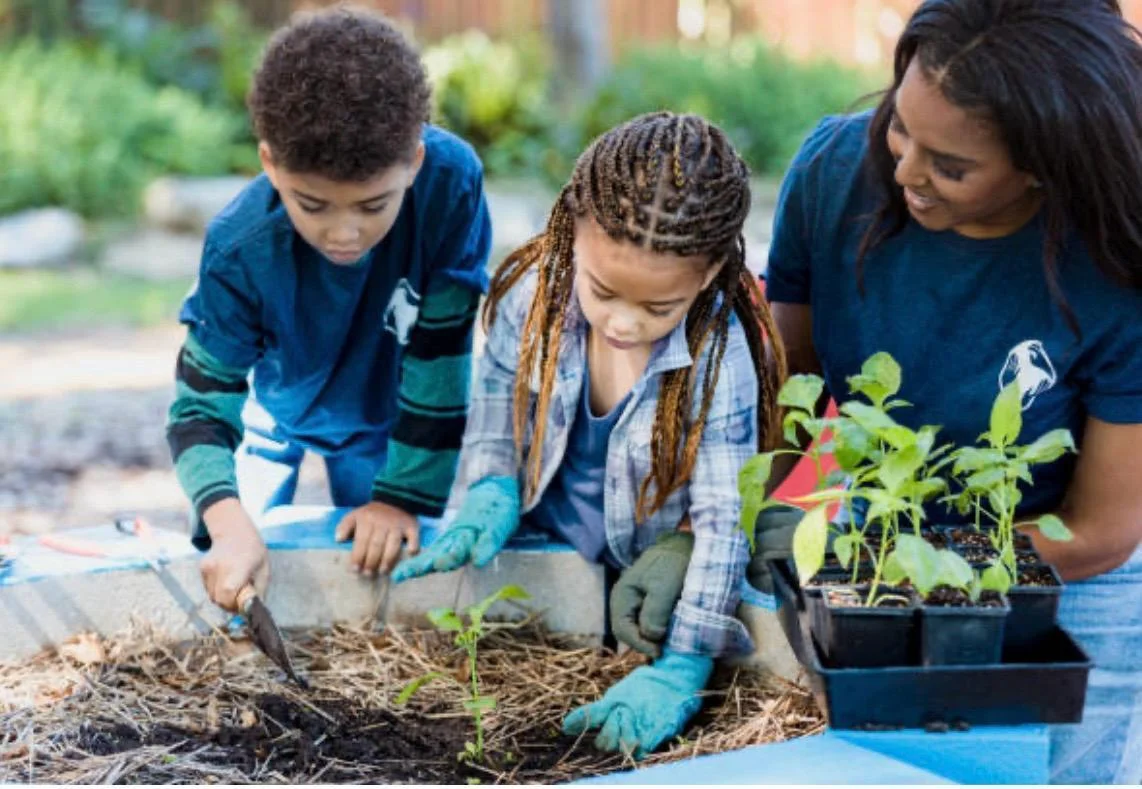
children-planting-garden

Illustrative image. Not Ever-Well participants or facilities.

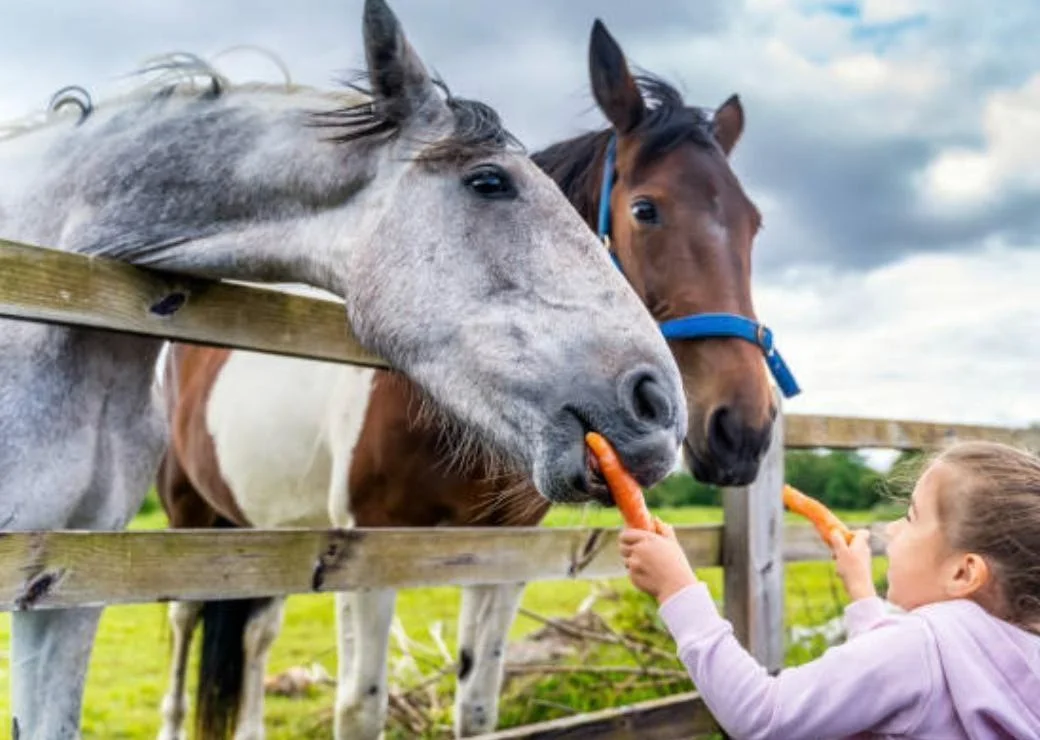
A child offering carrots to two horses over a wooden fence

Illustrative image. Not Ever-Well participants or facilities.

Nature, animals, and equine experiences

Educational gardens, animal care, environmental stewardship, outdoor learning, food and agriculture exposure, and hands-on science experiences.

Supervised horse-centered education that builds confidence, responsibility, movement, and relational experiences.

Planned. Campus, farm, and equine facilities are subject to site control, zoning, permitting, insurance, and environmental review.

Licensed clinical therapy will be represented only when delivered by appropriately credentialed professionals within an approved model.

Arts, technology, and creative learning

Program model, planned

Art

Music

Drama

Digital literacy

Assistive technology

Coding exposure

Maker activities

Creative problem-solving

Life skills and workforce pathways

For youth and young adults preparing for employment, technical skills, independent living, and community participation.

Program model, planned

Daily-living competencies

Self-advocacy

Vocational exploration

Work readiness

Technical and trade exposure

Entrepreneurship

Supported transition planning

See how the approach becomes programs

Each area of the approach connects to program models described on Programs & Experiences.